Before the first heatwave: Why early AC maintenance makes a difference
In Calgary, the first genuinely warm day of the year often acts as an unspoken test for home comfort systems. After months of inactivity, an air conditioner is suddenly expected to perform reliable cooling of the home evenly and efficiently. For many homeowners, this is the moment when confidence in their system is either confirmed or quietly challenged.
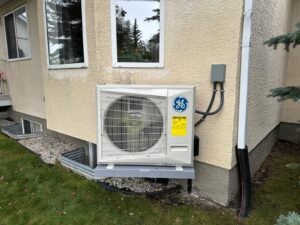
Unlike furnaces, which operate regularly throughout the colder months, air conditioners are seasonal by design. Long periods of downtime can allow small changes within the system to go unnoticed. When cooling is finally required, those changes tend to surface all at once. This is why AC concerns rarely build gradually over the summer and instead appear right at the start of the season.What often surprises homeowners is that many air conditioning issues don’t originate during periods of heavy use, but during the months when the system isn’t running at all.
Why AC issues often surface after winter
During extended periods of inactivity, air conditioning systems don’t simply remain on pause. Environmental exposure, internal settling, and gradual material wear continue even when the system isn’t running. Because thesechanges occur quietly and without immediate effect, they often go unnoticed until the system is placed back under regular operating demand.
This challenge is amplified by local climate patterns. According to climate projections from the City of Calgary, average temperatures are rising and extreme heat events are becoming more frequent. By the 2050s, Calgary could experience up to four times as many days reaching or exceeding 29 °C compared with historical averages making short, intense warm spells more common and placing sudden demand on residential cooling systems.
Under these conditions, issues such as dust accumulation, restricted airflow, or subtle electrical wear rarely make themselves known while the system is idle. They tend to surface only once the air conditioner is required to operate consistently, often under warmer conditions than it has encountered in months.
Expectations also play a role. A system that performed well at the end of the previous summer may still require attention before entering a new season. Performance concerns don’t always present as clear failures; more often, they appear as uneven cooling, longer run times, or gradual efficiency loss changes that are easy to overlook until indoor comfort is noticeably affected.
How early AC maintenance adds the most value
Once these early-season patterns are understood, the role of early maintenance becomes clearer. At this stage, maintenance is less about fixing obvious problems and more about confirming that the system is positioned to operate efficiently as cooling demand increases. Airflow is one of the first areas reviewed. Even minor restrictions caused by dust buildup, blockages, or imbalances can reduce cooling effectiveness and force the system to work harder than necessary. Electrical components are also checked for stability, as small connection issues tend to worsen once the system begins cycling regularly.
Early maintenance also evaluates how consistently the system responds when cooling is required. Longer run times, uneven temperature distribution, or delayed response to thermostat settings can all signal inefficiencies that affect energy use. Addressing these conditions early can improve overall performance, extend equipment life, and reduce the likelihood of avoidable repairs later in the season.
For many homeowners, AC maintenance is treated as a reaction to discomfort rather than a routine part of home care. Approaching it earlier in the year changes that dynamic. It allows decisions to be made with context rather than pressure based on system condition instead of immediate need. In Calgary’s climate, where cooling demand can escalate quickly, that clarity often makes the difference between a smooth summer and one shaped by interruptions.
 ghout the colder months, air conditioners are seasonal by design. Long periods of downtime can allow small changes within the system to go unnoticed. When cooling is finally required, those changes tend to surface all at once. This is why AC concerns rarely build gradually over the summer and instead appear right at the start of the season.What often surprises homeowners is that many air conditioning issues don’t originate during periods of heavy use, but during the months when the system isn’t running at all.
 Airflow is one of the first areas reviewed. Even minor restrictions caused by dust buildup, blockages, or imbalances can reduce cooling effectiveness and force the system to work harder than necessary. Electrical components are also checked for stability, as small connection issues tend to worsen once the system begins cycling regularly.